
The Tesseract
Despite her name
Does not intend a fancy show.
To her, in fact,
It’s all the same
Which way her edges seem to go.
The Tesseract
Despite her name
Does not intend a fancy show.
To her, in fact,
It’s all the same
Which way her edges seem to go.
 Big-head lost her boy
In the war, now she’s crying
If you can hear her.
Grey-hair lost his friends
In the war, now he’s crying,
It’s too late to get new ones.
And the townsfolk left their dirty dishes
And left their cups overturned on the tables
And left dinner burning on the stove
When they heard the news and fled
As who wouldn’t?
Now it’s murky dusk.
Now comes the snow.
Now comes the wind.
Fuck! But it’s cold out!
And the townsfolk fled
Except the old men,
And the old women, and the ghosts,
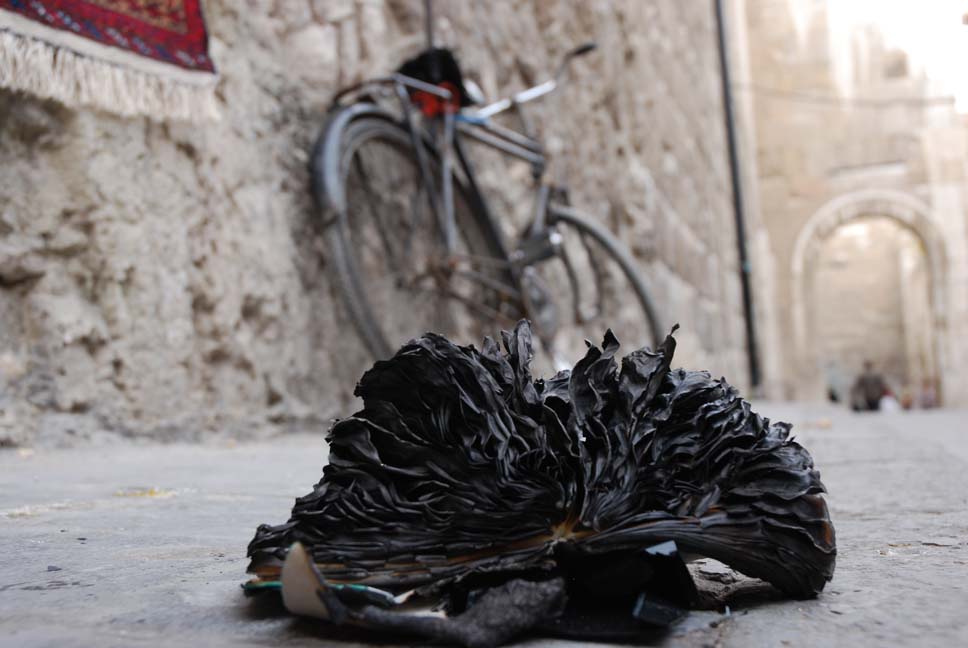
And me, burning this old book
Just to get some light.
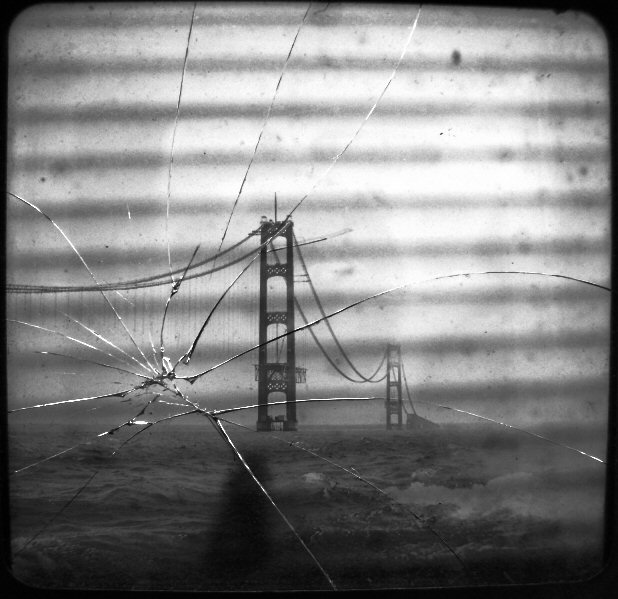
One day he noticed a crack in the world
so he gave it a poke
and the world,
the whole world, seamed and shattered
There being no place for the pieces to go
they just hang there
gnashing their edges at his slightest passing
and sharp as damn all
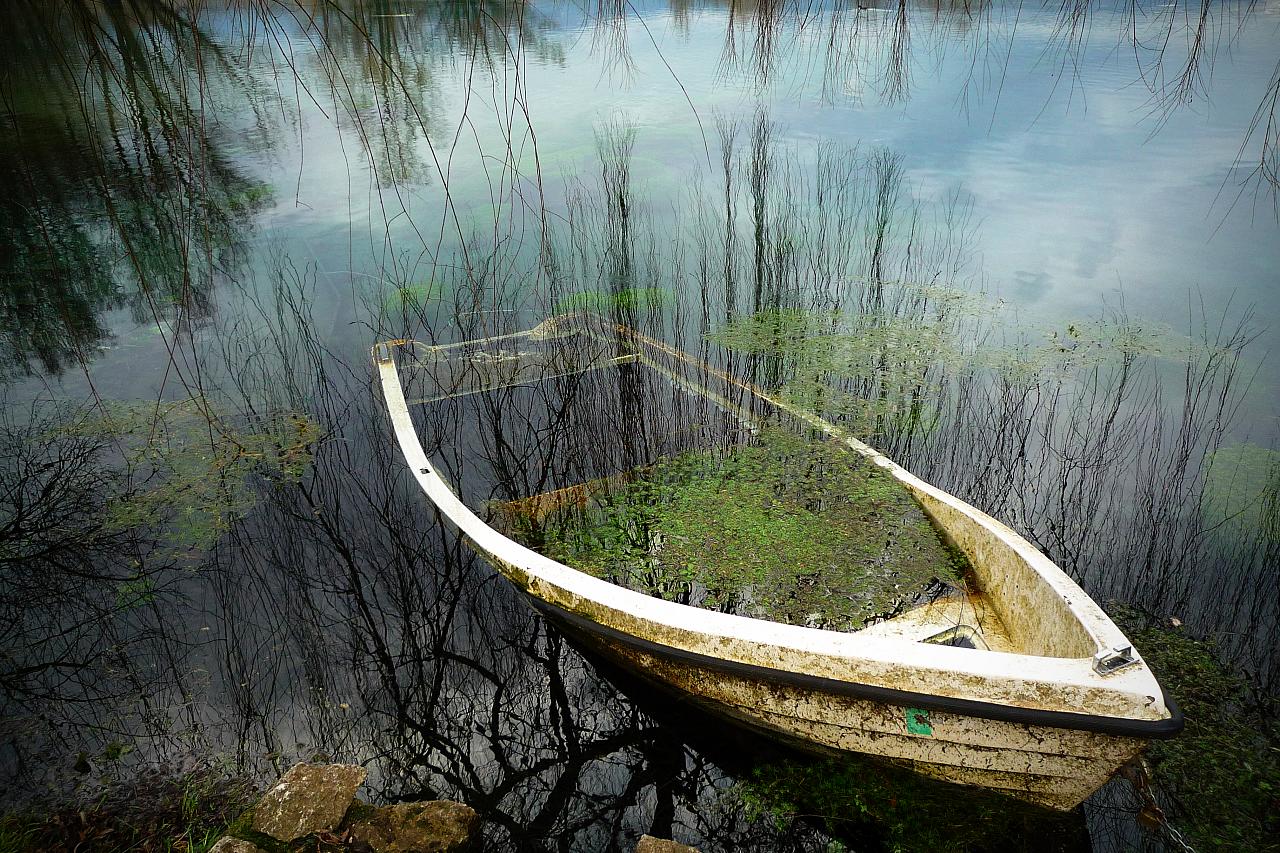 Inadequate paddles, a child’s boat.
It got us to the far bank
Where summer grass choked the shore
And the heat scent of summer grass grew heavy on the cooling air.
Somewhere a car-camper played a radio.
Everything seemed to stand still:
The boat still; the water still;
But we startled the shorebirds and they rose all about us, all at once.
After Han Yu

The low grasses, the tall trees: which of them tempts spring to return?
In fall, the trees flaunted their dying leaves; the grasses withered, leaving us melancholy.
Now they vie in beauty, tempting spring to return.
Even the poplar and the subtle elm offer up their pallid blossoms to the wind
To overflow the sky, to fly like snow, to tempt spring to return.
(by Mascha Kaléko; translated from the German)
 The first time that I thought to die
–I still recall the scene–
I died with so much skill and grace
In Hamburg, just the perfect place,
And I was just eighteen.
And when I died the second time,
It filled my heart with woe
That I could leave you nothing more
Than just my heart, laid at your door,
And footprints, red in snow.
And when I died the third time,
I hardly felt the pain;
Familiar as my toast and tea,
Like an old shoe, is death to me.
I needn’t die again.
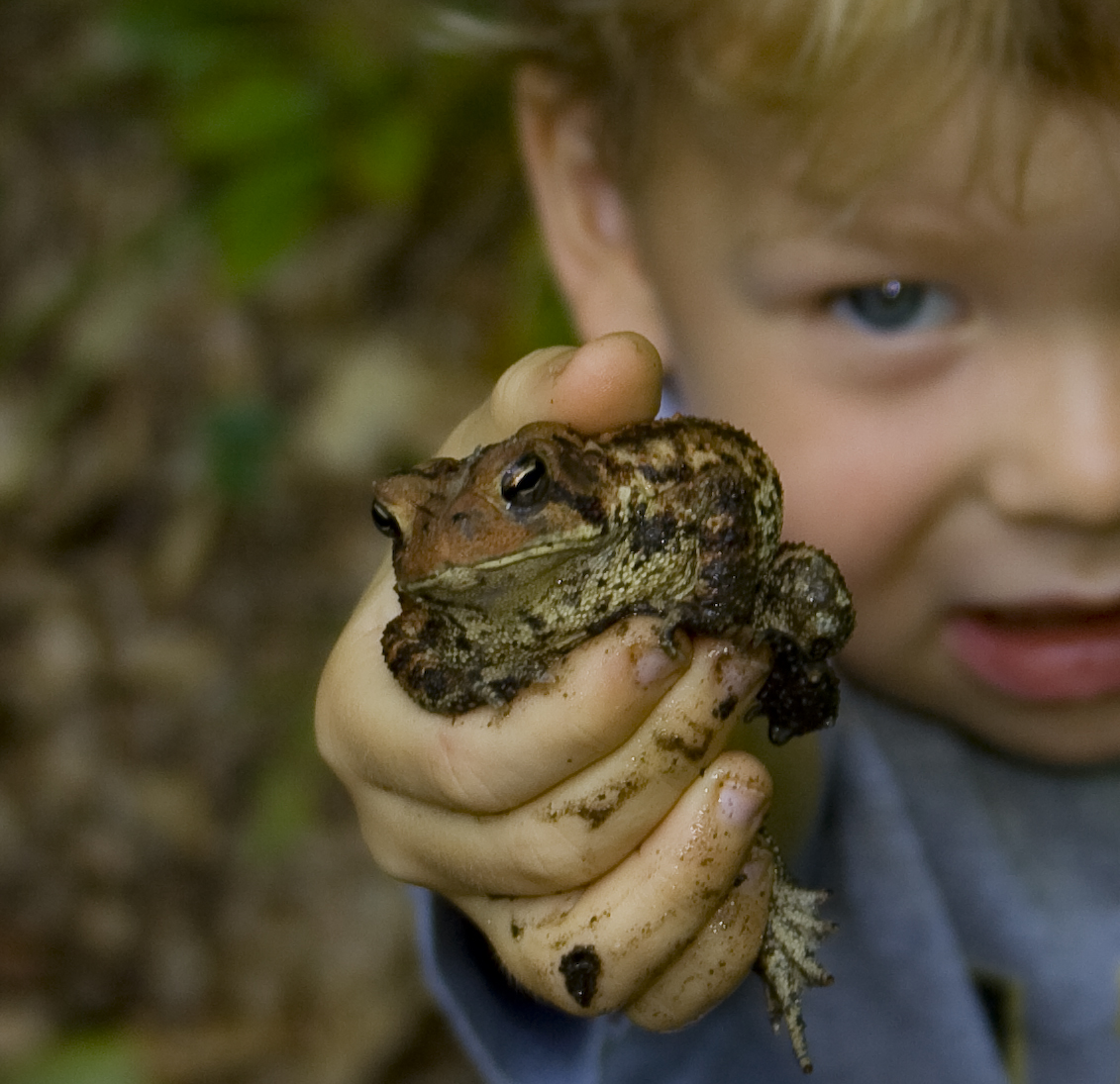
Time was, we had to be cautious
since the dead world could quicken
and anything was always inexplicably
about to become an animal:
bare dirt birthed worms,
toads sprang full-blown from muck,
and mice could breed
from a stale loaf kept in a quiet cupboard.
We now know that’s not the way of it:
life’s not spontaneous,
but always it’s the product of
some effortful seed
and some intent or accident of sperm;
life breeds life, and furiously
goes on living.
Not magic but poetry.
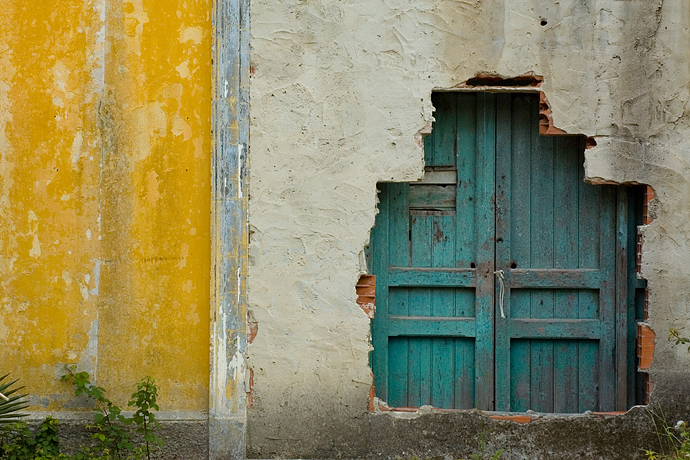
Poetry is
about to take form, become an animal;
poetry is
a shorter, heavier word.
The poem’s a small room;
poetry
will gain access.
 Coyote ate up all the animals
Crow ate up all the birds
Pike ate up all the fish
Grasshopper ate up all the crops
So when Yaitse
That pasty-faced monster
Ate up the rainclouds
And the sun went crazy everywhere?
Nothing to eat but bones, we had
Nothing to drink but tears.

(by Mascha Kaléko; translated from the German)
 Red shriek the poppies in the green fields of Poland.
Death lies in wait in the black forests of Poland.
Wheat rots, unharvested.
The reapers are all dead.
However much their mothers starve
The children cry for bread.
And frightened from their nests, the birds have ceased
To sing; the trees lift up their limbs for grief
And bow and whisper lamentation towards the east;
And when the wind takes up their sorrows like a prayer
And when they bow down like old Jews in attitudes of prayer
The broad, blood-sodden earth is shaken,
The stones themselves awaken.
This year, who will sound
The Shofar for the supplicants beneath the ground?
The hundred thousands whom no headstones name,
The hundred thousands God alone can name.
How shall they be entered into Heaven’s book aright?
Lord, we beseech you,
Let the prayers of the trees reach you
Tonight, as we light the last light.
 Bag of Anything