Sonnet: On the Brand-X Anthology of Poetry

(a book review in verse)
Scan
Much had I travell’d in the realms of gold
And never found a blessed thing to eat;
For laurels, though they may smell very sweet,
As nourishment – try one? – they leave you cold.

By not one teacher was I ever told
There was a land both lowly and obscene
That Bill Zaranka ruled as his demesne!
His book was sent me by a flame of old

Bought from wherever such odd things were selling;
And now, some decades late, to write I’ve hasted:
For though I know that flowers are for smelling
I were a liar if I kept from telling
How many precious hours and days I’ve wasted
Since first I of Zaranka’s garland tasted.


Continue reading

The Poet’s Lament for His Mother’s Death Has Won Another Prize

6476191927_5279b75285_bMost get an afterlife that isn’t much
for having had one’s soul pried out and kissed by death.
Oh, yes, it’s heady for a while, everyone suddenly
so sympathetic to one’s finished life,
so seeking lessons from one’s progress, or
so plucking-out-the-moral from one’s last decline.

It’s not bad while it lasts,
and everyone makes nice, but honestly
it’s mostly straight from gravestones and condolence cards:
“Beloved mother, Loving wife,” and how
she loved her kids, her husband, animals,
was pleasant always, liked to dance…

Most dead folk get that taste of it.
But later, after the tepid food and drives back home,
after some hours or months of reminisce,
one’s absences become less notable; one starts to fade.
And then what’s left of one? A nice obit, scrapbooked;
a stray memorial card stuck in a dresser drawer somewhere.

But this!
If there’s a heaven, oh! She’s gloating there for sure,
knowing she’s in it for the long haul now;
the mortification of her outraged privacy
is nothing to such pride! Such an I-knew-it!
Her own death, the source of his triumph!


Continue reading

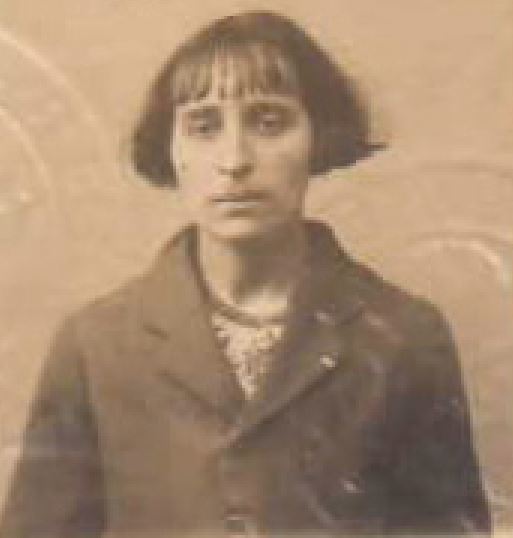
A Love Song of Alice B. Toklas

Alice_B_Toklas-1921

Mornings after, the company sleeping hard,
You were wakeful
With her arms about you
(and she asleep, not to be roused
because she did not care to be disturbed
by morning’s fitful fittings into place
till noon’s din roused her anyway
and she would dress and come down to the ordered house);
The floor cold till you found your slippers, padded down the stair
To find a brace of poets snoring on a single chair
A pair of painters sprawled upon the floor,
strange bearded men, one pic-a-devant, one goatee;
And standing at the parlor door you saw them heard them snore,
you smelled their wine and night-sweat smell,
And knowing all was well and would be well
You gathered up the moment to yourself

And let it go. No poet nor no painter you;
Yet that was something only you could do,
Let go and yet not lose,
And sniffing shuffle on on quiet feet
To go and shovel out the ashes from the stove
And put the whistling-kettle on for tea.


Continue reading

A Letter to the Late Allen Ginsberg

Litersf1$allen-ginsberg_s-business-card ca 1966
Around this time, Ginsberg also had what he referred to as his “Blake vision,” an auditory hallucination of William Blake reading his poems “Ah Sunflower,” “The Sick Rose,” and “Little Girl Lost.”

So tell me this one thing,
Old poet, mad saint,
What will it take to make the world strike me with its great magic?

What will it take to hear
William Blake declaiming Sunflower
in Harlem tenement?
Litany of drugs, poetry, masturbation, family history of insanity, criminal friends, jazz bars cosmic gaze smoky poet’s beard?
Is it typewriter, telegram, radio wave death that killed the voice of William Blake?
I process words, spell check, send beat poems by email. But I can type! send telegram! I seek out old radio shows, flat voices, analog tape hiss, all! I stay up all night! I embrace limitations! I cry up camp!
I sleep with many men, urge each one to grow out his beard!
I contemplate marijuana, ayahuasca, beer, peyote!
But alas contemplate as well a family unremittingly sane, professors, doctors, scientists, lawyers, old criminal friends respectable now, work for Boeing, Disney, partners in law firms,
Anyway these days you have to be good or you’ll never afford to retire you’ll have to work till you drop and who wants that?
And it’s all too easy to be good we have jazz bars you can’t even smoke in, we have digital TV, smart drugs, drive by shootings but they’re not somebody’s fault just bad luck, now it’s okay to masturbate everybody masturbates now it’s not even fun anymore, we have internet porn, mandatory capitalism, avant garde paranoia, sophisticated bigots armed with DNA and Right Guard
But we wonder what it’s all for, we didn’t tune in, we can’t drop out, we can’t get out the vote. We want something or other but what?
Only I seem to know what I want & I want what you had Allen Ginsberg
I want William Blake
declaiming Sunflower in my room
not to give answers to cosmic questions
but to show me he still can.

Continue reading

Death by Drowning

15489091955_e001bc2798_k

(for Theodore Roethke)

We die of love, or anything at all.
I drew a million breaths, but could not sing.
My bones are of the earth, and heed its call;
I’ll dream a sun, and feed myself on ink.

Be still, be still: a color’s in my eyes.
What’s sleeping? Will I wake? Have I a soul?
This water’s cold. A stone does what it likes.
My breath is gone. The sea’s song fills me whole.


Continue reading

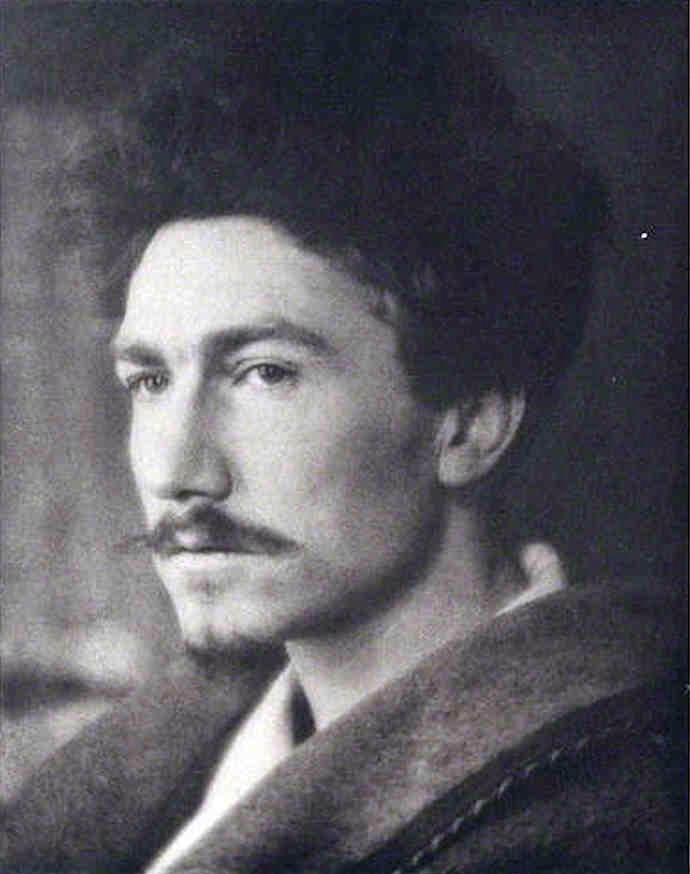
E.P. Epigram pour l’Election de Son Sepulchre

IMG_4190-0.JPG
“Make it new!” he cried, and then to show it’s
That important, promptly quoted
A dozen lines from a dozen noted
Long-dead poets.


Continue reading

Lines for Mr. T.S. Eliot

File:T.S. Eliot, 1923.JPG

“Here he drank pastis with the mayors of the Basses-Alpes, and even found time to lecture on Edgar Allan Poe, although his new false teeth made it difficult for him to speak French.”

How pleasant to know Mr. Eliot!
With his Nobel Prize and ironical eyes
How pleasant to know Mr. Eliot!

He exhibits a mystical, mischievous dread
And he smokes French tobacco and lies in his bed
As he waits for the world to fall in on his head
(Taking comfort in knowing his poetry’s read);
And everyone says what has always been said
That it’s lovely to know Mr. Eliot!

If he drinks rather much and his teeth are quite new
If he finds it, you know, rather painful to chew
If he speaks somewhat slower than he used to do
It is only because he’s deliberate!
And if he seems chilly, it’s maybe because he’s been celibate —
But they say for all that, it’s still terribly, terribly,
awfully, horribly, pleasant to know Mr. Eliot!


Continue reading