
Rilke believed in making
continual poetry but
I think he never spent
much time here.

Rilke believed in making
continual poetry but
I think he never spent
much time here.

O do not fear
The teeth I bare
In such a merry grin;
I eat men’s lies
And that is why
My teeth are stained with sin.
“Here he drank pastis with the mayors of the Basses-Alpes, and even found time to lecture on Edgar Allan Poe, although his new false teeth made it difficult for him to speak French.”
How pleasant to know Mr. Eliot!
With his Nobel Prize and ironical eyes
How pleasant to know Mr. Eliot!
He exhibits a mystical, mischievous dread
And he smokes French tobacco and lies in his bed
As he waits for the world to fall in on his head
(Taking comfort in knowing his poetry’s read);
And everyone says what has always been said
That it’s lovely to know Mr. Eliot!
If he drinks rather much and his teeth are quite new
If he finds it, you know, rather painful to chew
If he speaks somewhat slower than he used to do
It is only because he’s deliberate!
And if he seems chilly, it’s maybe because he’s been celibate —
But they say for all that, it’s still terribly, terribly,
awfully, horribly, pleasant to know Mr. Eliot!

Two gates of sleep; the one of horn, the one of ivory.
Odyssey XIX, 560-565
Undermined, toppled, then half washed away
By memory’s undertow,
The gates of sleep are wrack by day;
Dreams true or false to miscellany go.
 The dragons do not seek out men.
They hoard their wisdom like jewels.
The least scale from the belly of a dragon
Might ransom any of the kings of men.
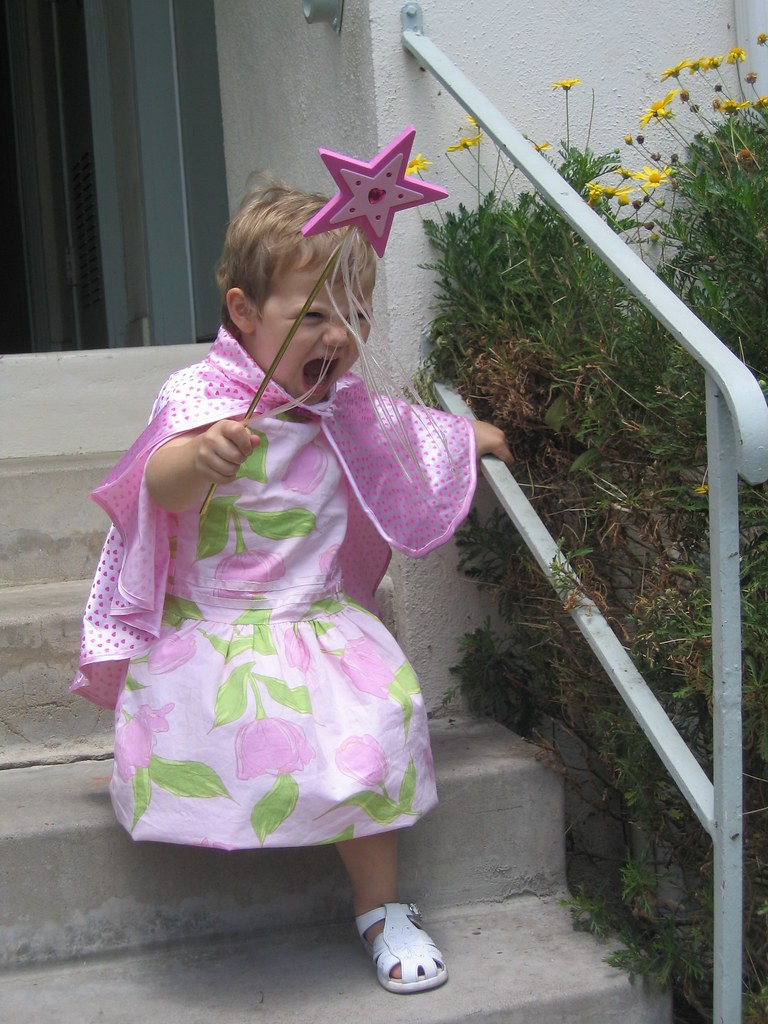
If you believe in fairies, they will show up sooner or later.
However, because fairies do not believe in Time,
They may come long after you have stopped believing in them.
In fact this is the most likely thing.
Fairies are both curious and easily bored.
They are fascinated by objects of all kinds.
For example, they are fascinated by clothes, although
It is a fact that fairies do not ultimately care for clothes.
However, because they are curious,
They may try on all of yours,
Then discard them on the floor next to the hamper
Or maybe somewhere else
Which is in fact the most likely thing, because
Fairies do not believe in Order.
Very few people know this about fairies,
Mostly they assume that fairies are just very hard to please.

Veery and Vole and the Vinegar Fly
Decided to go to the top of the sky.
But Vole couldn’t fly, though of course he would try;
“Do not think us unkind,” Veery said with a sigh,
“We must leave you behind!” And they bade him Good-bye.
And then Vinegar Fly – though of course he could fly –
Couldn’t fly very fast; couldn’t fly very high.
He grew weary, and cried out to Veery, “Please try
To go slower, and lower!” But Veery said, “I
Am a high-flying bird, and I cannot comply!”
And so Veery went on all alone — which is why
Veery and Vole and the Vinegar Fly
Do not get along.
And that is my song.
 Woodman, spare that tree!
All right, fine, I’ll harm it not!
Although it’s clearly got the rot.
You needn’t threaten me–I’ll go!
But first, there’s something you should know:
When comes a storm, this tree will fall
Upon your house, and crush you all:
Your mother, father, sisters too,
Will all be dead because of you.
Continue reading
 When a baby meets a baby
Coming through the rye
Says the baby to the baby
I must poke you in the eye.
When a baby meets a baby
Walking through the wheat
Says the baby to the baby
I must tread upon your feet
When a baby meets a baby
And the baby says Hello
They may play until the baby says
It’s time for you to go.
When a baby meets a baby
Coming through the corn
Says the baby to the baby
You will wish you weren’t born
When a baby meets a baby
And the babies start to play
They will play until the baby says
It’s time to go away.
So when a baby meets a baby
Coming through the rye
Says the baby to the baby
Better pass the baby by.

Q: What do you see as the future of poetry?
A: Oblivion.
Ever since I first noticed “my blood
setting out on its long journey beyond the skin”
I have been pondering that line.
I wrote it, sure, but
What the hell does it mean, you know?
Must be part of the dark speech of silence,
I guess.
But it’s here, and so are we.
So I keep rephrasing the question
Endlessly,
Hoping the answer might somehow change,
Becoming accessible.
Or at least that, you know,
It might make sense
One day.

 Bag of Anything